The country risks walking into another election with the same unresolved electoral flaws as political parties warn that reform momentum is losing steam.
Centre for Multiparty Democracy (CMD) has observed that the process to resolve electoral weaknesses and grievances has been “dangerously and painfully slow”.
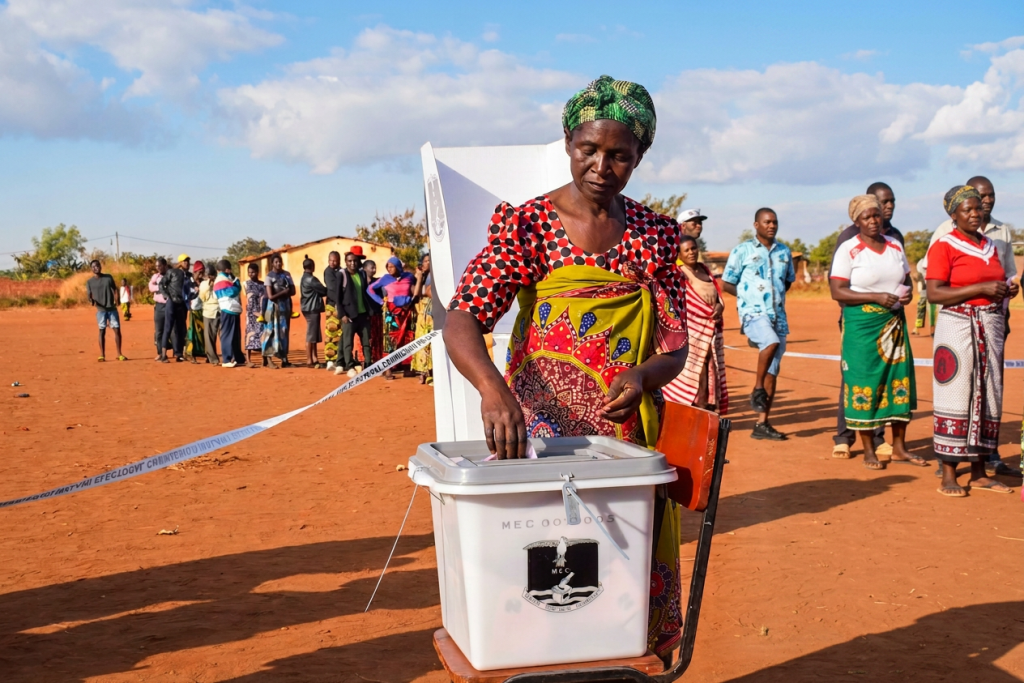
The body has since appealed to government to move swiftly to implement electoral reforms while lessons and grievances from the September 2025 elections remain fresh.
The call follows reform proposals made by political parties represented in Parliament during post-election healing processes organised across the country by CMD in January this year.
The reflection meetings brought together political party leaders, independent presidential candidates and other stakeholders to interrogate their conduct during the electoral cycle, identify weaknesses and generate proposals to inform future electoral reforms.
Four sticky reform proposals raised included establishing a legal framework to govern election technology, enforcing regulation of political party and campaign financing, and addressing the distribution of controversial handouts.
Other proposals included reforming Malawi Broadcasting Cooperation (MBC) to become a genuinely independent public broadcaster and ensuring meaningful involvement of women in elections, from political parties to national elected positions.
CMD executive director Boniface Chibwana observed in an interview Thursday that the process following the September 2025 General Elections had been sluggish despite political parties and other stakeholders identifying electoral flaws requiring administrative and legislative reforms.
“It has been a painfully slow process since the post-election healing processes where political parties gave out their views on what could be done better for the elections to be managed in a better way in future,” lamented Chibwana.
Chibwana said electoral reforms should be prioritised immediately after elections to ensure emerging weaknesses are addressed before the next electoral cycle.
“Reforms should be prioritised soon after the elections so that issues can be resolved while fresh,” he stated.
He also warned against excessive reliance on development partners to drive reforms, saying government must take responsibility for fixing its own electoral system.
“There is need for government to own the reforms process for over reliance on development partners can delay the process as they have other priorities too and reforms are for Malawians,” said Chibwana.
He said handouts had become a sticky issue due to lack of clarity on what constitutes a handout, who should enforce the law and the slow process of investigations.
Chibwana said Parliament had already discussed possible amendments to the Political Parties Act, arguing that clear laws would make enforcement easier and reduce disputes over interpretation.
“MPs already discussed the issue on the need to amend Political Parties Act. These are healthy discussions for the law has to be clear so that people should know it for easy following and enforcement.
“By the fact that people are questioning how the law is applied then it is a step towards a right discussion. However, this is a good law to sanitise our politics if we are to stop commercialising our politics,” he said.
Catholic Commission for Justice and Peace (CCJP) national director Lewis Msiyadungu said electoral reforms require several players such as the Law Commission, Parliament and civil society to play their respective roles.
“Since it is important that the reform processes must begin as soon as elections are conducted,” he said.
However, Msiyadungu claimed the standoff between government and Malawi Electoral Commission (MEC) had affected the process.
“The issues need to be resolved swiftly otherwise they have the potential to affect the whole electoral cycle,” he said.
On his part, Peoples Democratic Party (PDP) publicity secretary Saul Banda shared the sentiments, saying failure to resolve disputed issues could threaten electoral democracy and allow challenges to degenerate into situations Malawians do not want.
“PDP therefore supports calls for government to prioritise and address electoral grievances as quickly as possible to strengthen the country’s electoral democracy and prevent unresolved disputes from creating further problems,” he said.
CMD is a membership-based platform of parliamentary political parties currently consisting of nine members: Alliance for Democracy (Aford), Democratic Progressive Party (DPP), Freedom Party (FP), Malawi Congress Party (MCP), National Democratic Party (NDP), People’s Democratic Party (PDP), People’s Party (PP), United Democratic Front (UDF) and UTM Party.